Oostvoornse Meer
OVM 8: a seventeenth-century wreck in the Oostvoornse Meer
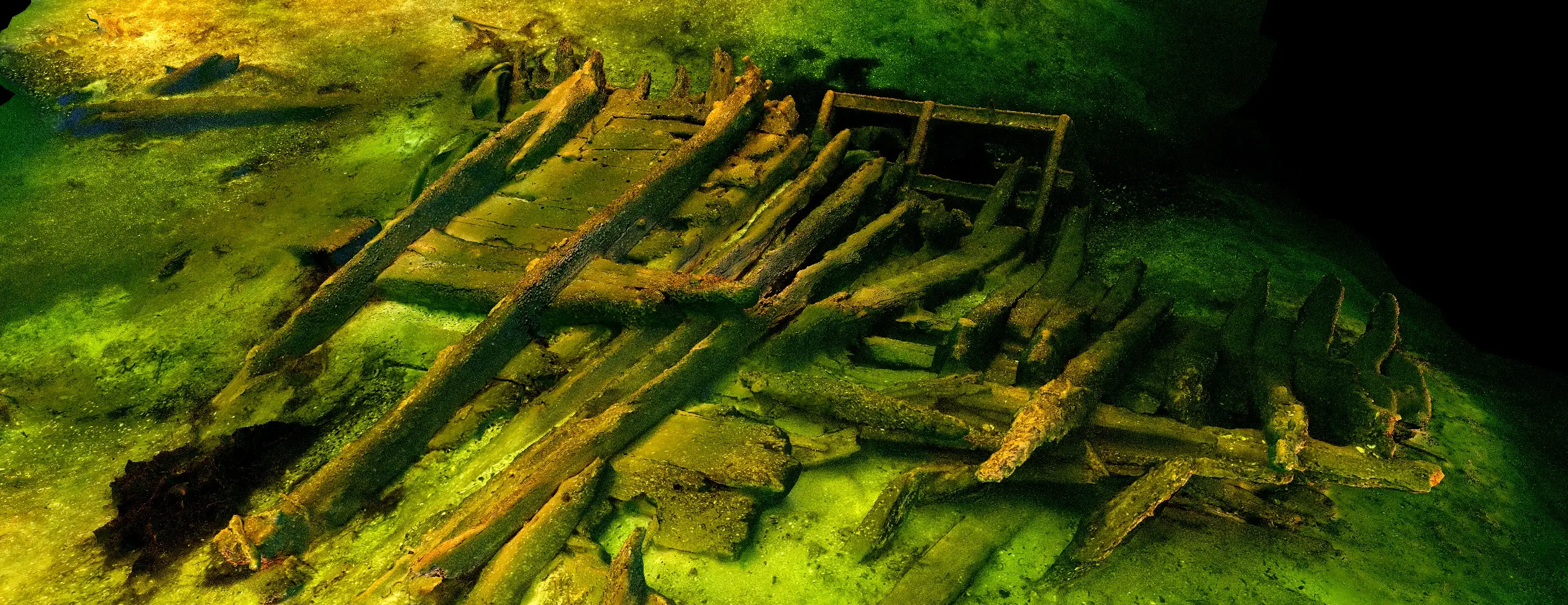
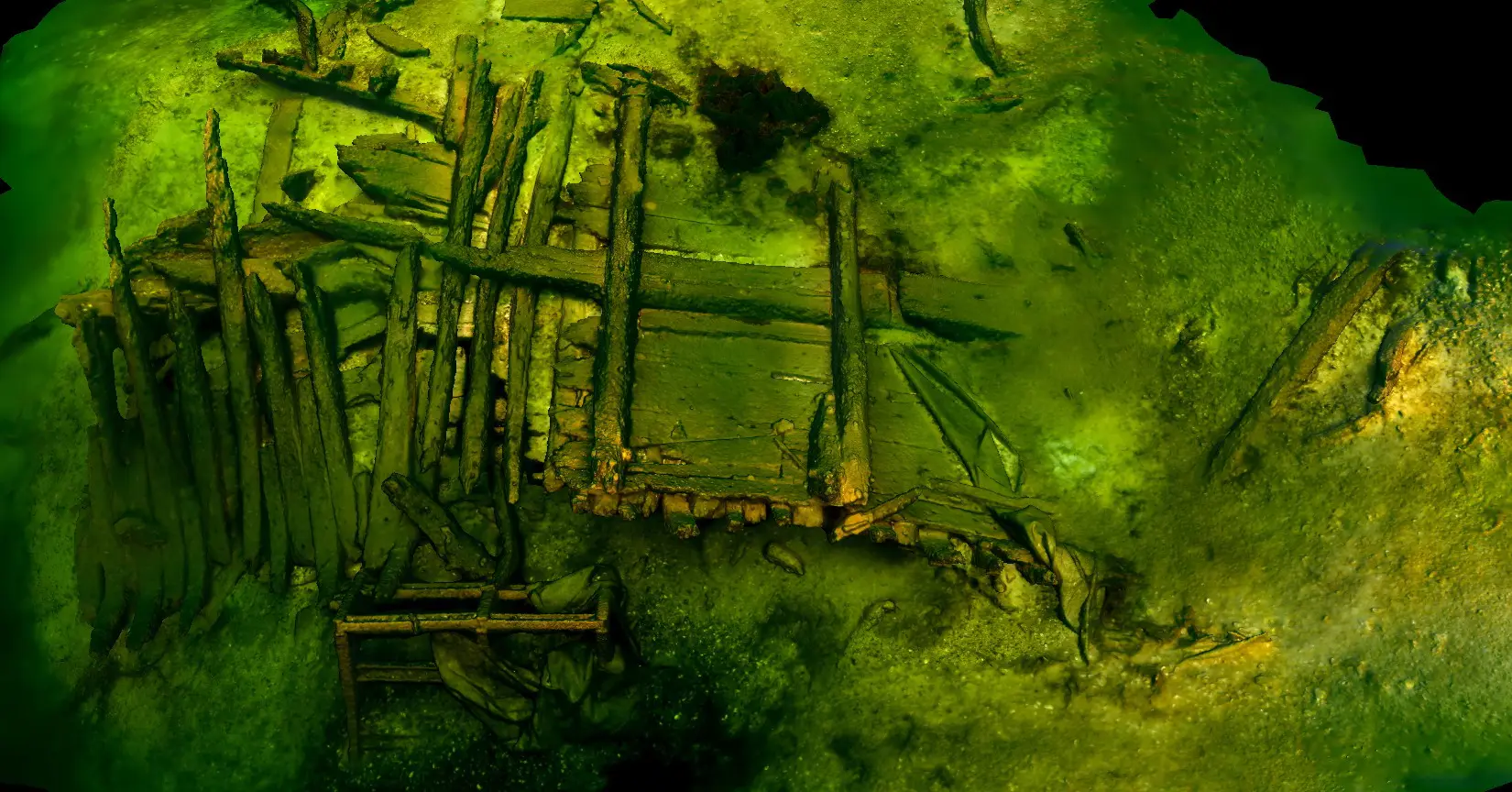
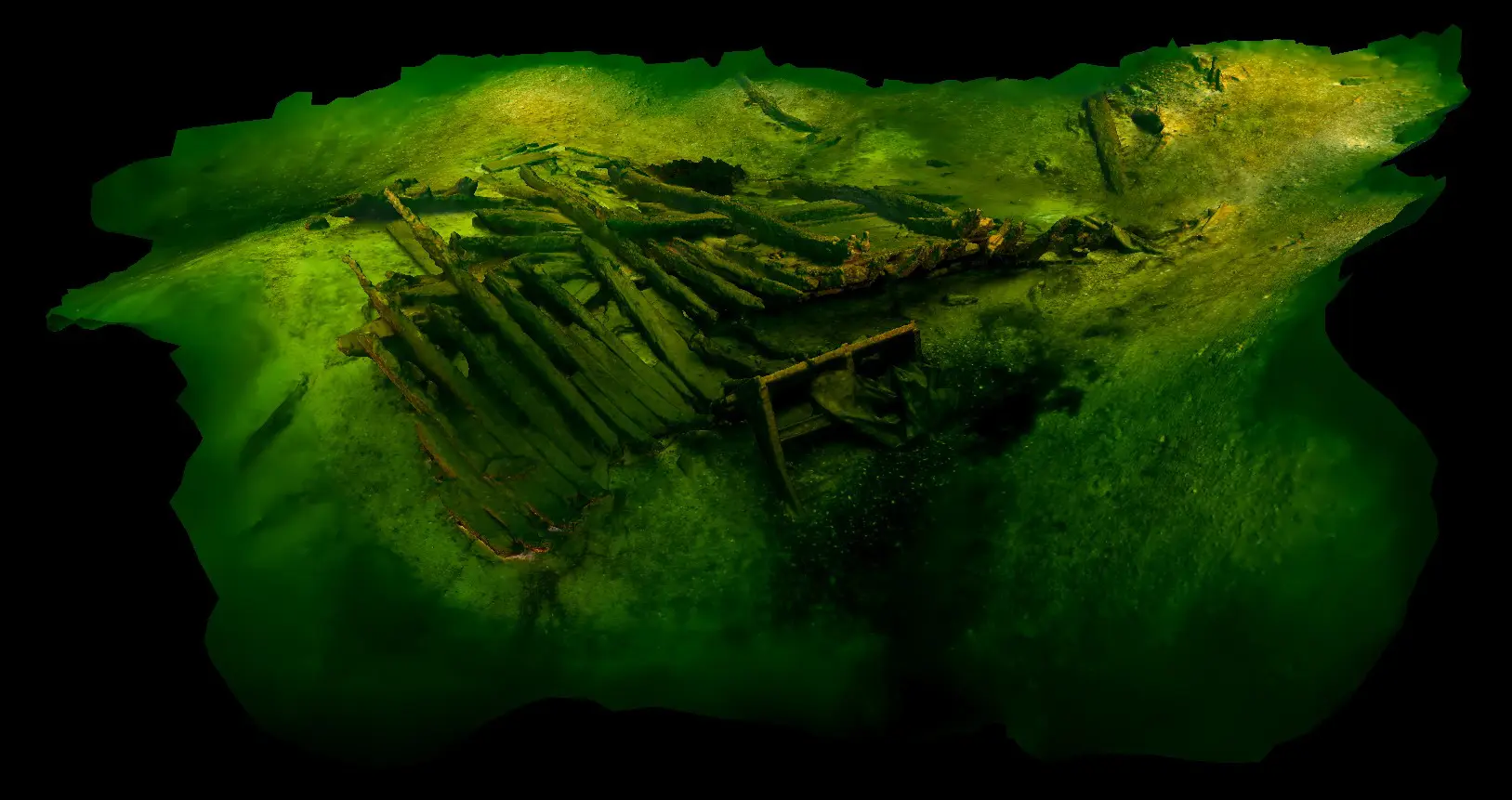
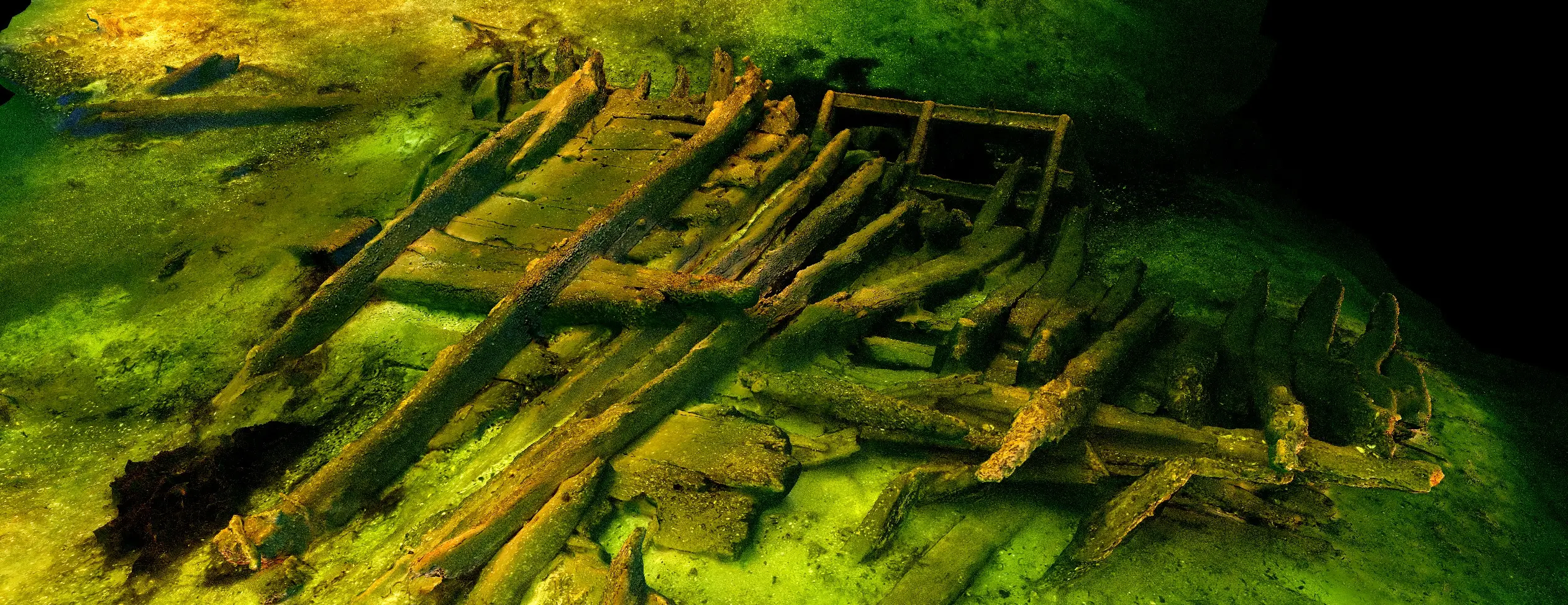
The OVM 8 wreck in the Oostvoornse Meer: a vessel of roughly 15.5 by 7 metres, excavated in 1987 and found to hold a swivel gun and Iberian ceramics.
- Area
- Oostvoornse Meer
- Region
- South Holland
- Type
- Wreck
The Oostvoornse Meer was formed in the 1960s by water engineering works around Rotterdam. The Brielse Maasdam in the 1950s and the Brielse Gatdam in the 1960s closed the area off from the open sea. Sand was then dredged from the lake, largely as material for Maasvlakte 1.
That dredging brought a great many wrecks to light. The waterway had swallowed vessels over the centuries and the sand had preserved them well. Large-scale excavation exposed many of them, which led to disturbance and in some cases complete loss. It also attracted sport divers and illegal treasure hunters, which put the remains at further risk.
A second threat is Teredo navalis, the shipworm. Closing the lake made the water fresh, but from 2007 there have been efforts to restore its salinity. The worm has returned with it, and it is a risk to every wooden wreck still there.
Maritime history
From the late Middle Ages this was a busy shipping route. More than a dozen vessels from the sixteenth to the twentieth century still lie on the bottom, concentrated in the early seventeenth century. A treacherous sandbank lay here, marked on a 1645 chart as the Hondenplaat.
The discovery of OVM 8
Between November 1987 and 1988 a group of divers came across a wreck in the lake. Over several months they uncovered a large part of it and recovered a range of artefacts: a swivel gun, mortar bombs, ceramics from Spain and Portugal, a Chinese jar, and even olive and grape pips.
Once the wreck was largely exposed and much of the material secured, the find was reported to the underwater archaeology department of the Ministry of Education, Culture and Science. That led to an official excavation and a detailed analysis of the finds.
Images